The Great Gatsby remains a cornerstone of American literature, with multiple 1925-era editions offering unique typography, introductions, and editorial notes. This article highlights five notable 1925 edition variants, focusing on authenticity, presentation, and readability for modern readers. Each edition is explored through its features, format, and accessibility, helping you choose a faithful, enjoyable re-read of F. Scott Fitzgerald’s Jazz Age classic.
| Edition | Author | Format | Notable Features |
|---|---|---|---|
| The Great Gatsby: A Classic 1925 Jazz Age Novel | F. Scott Fitzgerald | Historical 1920s styling, collectible cover | |
| The Great Gatsby: The 1925 Classic Edition | F. Scott Fitzgerald | Classic typography, period-accurate presentation | |
| The Great Gatsby: The Original 1925 Edition (A F. Scott Fitzgerald Classic Novel) | F. Scott Fitzgerald | Original edition feel with editorial context | |
| The Great Gatsby: The Only Authorized Edition | F. Scott Fitzgerald | Authorized edition with stable text | |
| The Great Gatsby | Francis Scott Fitzgerald | Kindle Edition | Digital edition for on-the-go reading |
Great Gatsby Classic 1925 Jazz Age Novel

The Great Gatsby: A Classic 1925 Jazz Age Novel presents a collectible print edition that emphasizes the era’s visual aesthetics and publishing style. This edition often features period-appropriate typography, page layouts, and cover art designed to evoke the 1920s atmosphere. Readers who value authenticity and a tactile reading experience will appreciate the paper stock, font choices, and possible endnotes that contextualize the Jazz Age setting. The edition is suitable for both casual readers and bibliophiles seeking a physical reminder of Fitzgerald’s era.
The 1925 Classic Edition Of Gatsby

The 1925 Classic Edition emphasizes fidelity to the era’s typographic conventions and physical dimensions. This edition is often favored by readers who prefer a traditional book feel, with classic spine text and durable binding. While the core text remains the same, editors may include brief notes on historical context or author background that enrich the reading experience without diverting from Fitzgerald’s prose. It serves as a dependable, collectible option for fans of vintage publishing aesthetics.
The Original 1925 Edition Of Gatsby
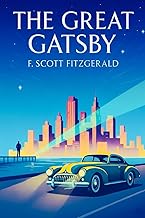
The Great Gatsby: The Original 1925 Edition is valued for its attempt to mirror the original publishing intent. This edition often includes period-accurate typography, spacing, and sometimes an introduction that places the novel within its 1920s cultural landscape. Readers benefit from a sense of historical immersion, making it appealing for students, researchers, and collectors who wish to explore how the text would have appeared to readers a century ago.
The Only Authorized Gatsby Edition

The Only Authorized Edition provides a harmonized text that aligns with publisher permissions and editorial oversight. This edition aims to deliver a clean, authoritative reading experience with clear typography and consistent pagination. While some readers seek more experimental typography, others prefer an unambiguous text with trustworthy editorial boundaries, particularly for classroom use or scholarly study of Fitzgerald’s prose and its historical reception.
The Great Gatsby Kindle Edition

The Kindle Edition of The Great Gatsby offers portability and on-screen readability for digital readers. Features often include adjustable font sizes, built-in dictionaries, and search capabilities that help readers quickly locate passages. This edition supports reading on multiple devices, which is convenient for commuting, travel, or studying. For optimal experience, use a device with a high-contrast display and a comfortable font setting to preserve Fitzgerald’s sentence rhythm and the book’s visual pacing on digital screens.
Buying Guide: Edition Selection And Reading Considerations
When choosing a 1925 edition of The Great Gatsby, consider the following factors to align with your reading goals and preferences:
- Authenticity vs. readability: Some editions prioritize period design and typography for historical immersion, while others emphasize modern readability with clearer fonts and layout.
- Editorial notes and introductions: Contextual essays can deepen understanding of the Jazz Age, Prohibition, and Fitzgerald’s life. Decide how much scholarly apparatus you want.
- Format and durability: Printed editions vary in paper quality, binding, and cover art. If you collect, consider edition exclusivity and condition; for daily reading, durability matters more.
- Textual integrity: Some editions copy the original manuscript’s text closely, while others include minor edits or annotations. For scholarly study, compare notes from editors.
- Digital vs. print: A Kindle edition offers portability and search features, whereas print editions provide tactile experience and visual nostalgia. Your lifestyle and preferences drive this choice.
- Edition provenance: Authorized editions typically ensure a consistent text and clear copyright status, reducing the risk of altered passages.
Depth of context is valuable for learners and collectors. Readers who want a quick, immersive experience may prefer a visually authentic 1920s print edition, while others may opt for a digital version for on-the-go reading. Each edition has its own strengths, and selecting a mix can provide both lasting charm and practical accessibility for studying Fitzgerald’s Jazz Age masterpiece.
Add a Comment