Finding the right level 1 reading books helps build confidence and bridges phonics with simple sentences. This guide highlights five beginner-friendly titles from trusted brands to support early literacy goals. Each pick focuses on phonics, rhyming patterns, and engaging visuals to reinforce word recognition and fluency. Explore options from Scholastic, LeapFrog, and School Zone to compare approaches and features.
| Product | Brand |
|---|---|
| Bob Books – Set 1 | Scholastic |
| Childrens Learn to Read Books Lot 60 | Scholastic |
| LeapFrog LeapStart Learn to Read Volume 1 | LeapFrog |
| LeapReader System Learn-to-Read 10 Book Mega Pack | LeapFrog |
| Start to Read! Level 1 (School Zone) | School Zone |
Bob Books Set 1: Beginning Readers

The Bob Books Set 1 focuses on starting reading with simple, decodable words and clear text. The packaging is designed for easy handling, aiding young readers as they practice phonics and basic sentence structure. The set serves as a solid base for new readers by reinforcing letter-sound relationships and early word recognition.
Learn to Read Books Lot 60 First Grade Set
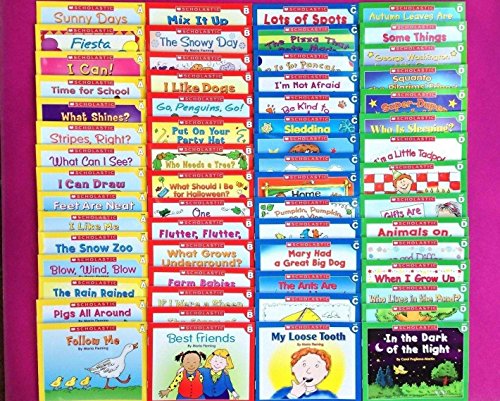
This collection provides 60 stapled booklets spanning levels A to D, each 8 pages, designed by a reading specialist. The black-and-white format helps young readers focus on print rather than color distractions. The structured progression supports early decoding, sight word exposure, and guided practice with simple sentences and supportive visuals.
LeapFrog LeapStart Learn to Read Volume 1

LeapStart Volume 1 uses interactive, replayable activities that integrate audio and on-screen animations. Children touch pages with a stylus to hear letter sounds, words, and short sentences, reinforcing phonics and comprehension. This format encourages active engagement with early reading concepts in a multi-sensory way.
LeapReader System Mega Pack (10 Books) Pink

The LeapReader Mega Pack combines touch-and-read technology with 10 early-reading books featuring short vowels, sight words, and simple words. Each page offers three modes (read, listen, and interact) to help children practice decoding skills, sentence structure, and word recognition in a guided, interactive manner.
School Zone Start to Read! Level 1: Frog Jog

This early reader emphasizes rhyming and vocabulary through simple sentences and vivid picture clues. The Start to Read! series is designed to nurture confidence in decoding and fluency, with accessible text and engaging illustrations that support emerging readers in recognizing patterns and sounds.
School Zone Start to Read! Level 1: I Want a Pet

This Level 1 title emphasizes rhyming and early reading strategies alongside vocabulary development. The book uses sentence structure and picture clues to help young readers predict words and build confidence as they practice decoding simple phrases and sentences.
Buying Guide: Key Considerations for Level 1 Reading Books
When selecting early reading materials, consider the following perspectives to match a child’s needs and learning style.
- Phonics Focus: Choose titles that emphasize letter-sound correspondence, decodable words, and phonemic awareness to build a strong foundation for fluency.
- Progression: Look for graded levels or clear progression (A to D or Level 1 to 2) so children can advance as competence grows.
- Engagement: Visuals, relatable characters, and short sentences sustain interest without overwhelming the reader.
- Interactivity: Interactive formats (sound, touch pages, or stylus use) can enhance retention and motivation for some learners.
- Organization: Packaged sets with multiple titles offer variety while ensuring consistent skill support across titles.
- Print vs. Digital: Some children benefit from tangible print books; others may enjoy interactive digital components. Consider accessibility and preferences.
In summary, the best level 1 reading books blend phonics practice, simple sentences, and engaging visuals. Evaluating options by structure, progression, and interactive features helps align a choice with a child’s learning style and literacy goals.
Add a Comment