Discover practical guides that turn small spaces into productive edible gardens. This article covers top books that explain indoor gardening from herbs to vegetables, with strategies for light, containers, hydroponics, and low-budget setups. Each title offers step-by-step plans, troubleshooting tips, and creative ideas for year-round harvests in apartments, condos, or homes without traditional outdoor space.
| Product | Author / Brand | Key Focus |
|---|---|---|
| Indoor Edible Garden: Creative Ways to Grow Herbs, Fruits, and Vegetables in Your Home | Zia Allaway | Creative indoor ideas for herbs, fruits, vegetables; accessible for beginners |
| How to Garden Indoors & Grow Your Own Food Year-Round | Kim Roman | Vertical, container, and hydroponic gardening; year-round planning |
| Indoor Edible Gardening for Apartments | Niki Candy | Practical beginner guide; budget-friendly indoor edibles without balcony |
| Kitchen Garden Revival | Nicole Johnsey Burke; Eric Kelley | Small-scale, stylish, low-maintenance edible garden ideas |
| The Vegetable Gardener’s Container Bible | Edward C. Smith | Growing a wide range of vegetables in pots and containers |
Indoor Edible Garden: Creative Ways to Grow Herbs, Fruits, and Vegetables in Your Home

Author Zia Allaway presents accessible strategies for turning indoor spaces into productive growing areas. The book emphasizes herbs, small fruits, and compact vegetables that thrive under practical indoor conditions, including light considerations, container choices, and simple climate tweaks. It suits readers seeking encouraging, actionable guidance without requiring a large budget or professional setup.
How to Garden Indoors & Grow Your Own Food Year-Round

Kim Roman covers vertical, container, and hydroponic methods to maximize indoor harvests across all seasons. The guide highlights space-saving layouts, lighting strategies, and practical project ideas for growing vegetables and herbs in limited areas. It emphasizes resilience, planning, and scalable setups suitable for apartments and homes with modest budgets.
Indoor Edible Gardening for Apartments

Niki Candy offers a beginner-friendly approach tailored to apartment living. The guide focuses on edible plants that fit small spaces and does not require a balcony or a big budget. Practical tips cover choosing container sizes, soil mixes, low-maintenance plant choices, and simple care routines for consistent yields.
Kitchen Garden Revival

Nicole Johnsey Burke and photographer Eric Kelley present a modern, stylish take on small-scale edible gardening. The book blends design aesthetics with practical cultivation steps to create attractive, low-maintenance edible spaces. It’s valuable for readers seeking to blend function with home decor while growing herbs, greens, and compact vegetables.
The Vegetable Gardener’s Container Bible
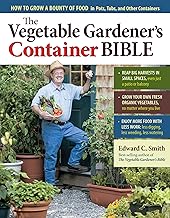
Edward C. Smith provides comprehensive guidance on growing a wide range of vegetables in pots, tubs, and other containers. The book covers soil mixes, watering schedules, plant compatibility, pest management, and season-extending techniques. It’s an essential reference for container-centric urban gardeners aiming for reliable produce with limited space.
Buying Guide: Key Considerations For Choosing An Indoor Edible Garden Book
When selecting an indoor edible garden book, consider your space, budget, and experience level. Look for titles that address your primary edible interests—herbs, leafy greens, or compact vegetables—and that offer clear layout ideas for containers, lighting, and water management. Hydroponic-focused guides are ideal if you want faster growth and precise nutrient control, while traditional soil-based methods suit beginners seeking low-tech setups. Check for step-by-step projects, troubleshooting sections, and photography or diagrams that help visualize setups. Compare authors’ styles: practical, design-minded, or project-driven guides may align differently with your goals.
Space And Setup
Assess the available space: a sunny windowsill, a balcony, or a dedicated corner. Books that tailor plans to small apartments typically provide scalable options—from compact pots to vertical shelving. If you have minimal light, favor resources that discuss supplemental lighting options and low-light plant choices.
Budget And Maintenance
Many indoor edible guides emphasize budget-friendly ideas. Look for lists of affordable containers, soils, and starter edits. Maintenance-focused sections—watering schedules, pruning, and pest prevention—help sustain long-term yields with less effort.
Plant Mix And Personal Preferences
Choose guides that align with the produce you enjoy and the cooking you practice. If you prefer herbs for quick seasonings, prioritize herb-centric chapters. For year-round meals, select books that cover vegetables with rapid turnovers and reliable indoor performance.
Structure And Visual Aids
Books with clear diagrams, step-by-step photos, and layout plans reduce trial-and-error time. A well-structured index and glossary can speed up problem-solving as you expand from beginner projects to more advanced setups.
Durability And Format
Consider whether you want a print guide for hands-on use or a digital companion for quick lookup. Durable covers and readable print quality help when you’re in the garden, while digital editions may offer searchable content and additional resources.
Add a Comment