For highly sensitive individuals, navigating a bustling world requires practical guidance, compassionate insights, and tools to protect energy while honoring intuition. This article highlights five well-regarded books that help readers understand sensitivity, build healthy boundaries, and cultivate resilience. Each title offers strategies tailored to emotional perception, social dynamics, and personal growth, backed by research and lived experience.
| Book | Author(s) | Format | Key Focus |
|---|---|---|---|
| The Highly Sensitive Person: How to Thrive When the World Overwhelms You | Elaine N. Aron PhD | Kindle Edition | Understanding sensitivity and thriving in daily life |
| The Highly Sensitive Person’s Guide to Dealing with Toxic People | Elaine N. Aron (various) | Kindle Edition | Protecting energy, boundaries, and healthier relationships |
| Sensitive: The Hidden Power of the Highly Sensitive Person in a Loud, Fast, Too-Much World | Jenn Granneman; Andre Sólo | Kindle Edition | Culture, identity, and practical coping in a stimulating environment |
| The Highly Sensitive Person’s Roadmap | Iselle Marein | Kindle Edition | Emotional management, stress reduction, boundaries |
| The Highly Sensitive Person in Love | Elaine N. Aron PhD | Kindle Edition | Relationships and intimacy for sensitivity in love |
The Highly Sensitive Person: How to Thrive When the World Overwhelms You

The foundational work by Elaine N. Aron PhD presents a comprehensive framework for understanding sensory processing sensitivity. The book explains why some people feel rattled by noise, crowds, or subtle social cues, and offers practical strategies to manage overstimulation. Readers gain insight into temperament, energy budgeting, and mindful routines that support daily functioning without compromising authenticity.
The Highly Sensitive Person’s Guide to Dealing with Toxic People
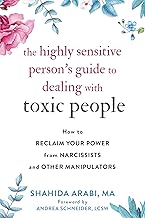
This guide zeroes in on interpersonal challenges, detailing how sensitive individuals can recognize manipulators and narcissistic behaviors. It emphasizes boundaries, self-advocacy, and reclaiming personal power. The book provides actionable scripts and reflectively grounded exercises to reduce emotional drain and cultivate healthier connections.
Sensitive: The Hidden Power of the Highly Sensitive Person in a Loud, Fast, Too-Much World

Co-authored by Jenn Granneman and Andre Sólo, this book reframes sensitivity as a distinct advantage in a culture that prizes speed and constant stimulation. It delves into identity, belonging, and practical strategies for thriving in social, professional, and family settings. The narrative blends research with real-life stories to show how to leverage sensitivity for creativity, empathy, and resilience.
The Highly Sensitive Person’s Roadmap

Iselle Marein’s roadmap offers a structured approach to emotional regulation. It highlights techniques for reducing stress, setting practical boundaries, and aligning daily routines with individual sensitivities. The book also explores cognitive strategies, journaling prompts, and time management tailored for highly sensitive individuals seeking balance and self-advocacy in demanding environments.
The Highly Sensitive Person in Love

This title explores relationships through the lens of sensitivity, offering guidance for partners, dating, and long-term commitments. It addresses how heightened perception can impact communication, conflict resolution, and emotional connection. Practical exercises focus on building empathy, managing expectations, and nurturing intimacy while protecting emotional well-being.
Buying Guide
Key purchase considerations for readers exploring highly sensitive traits include the following:
- Purpose and goals: Seek guidance on self-understanding, boundary setting, or relationship management to match personal needs.
- Practical strategies: Look for titles with concrete exercises, scripts, and routines that can be implemented daily.
- Audience fit: Some books are more theory-focused, while others emphasize real-life applications and coping tools.
- Tone and accessibility: Choose a voice that feels validating and non-judgmental, with clear explanations of sensitivity.
- Relationship orientation: If relational dynamics are central, prioritize guides dedicated to love, family, or workplace interactions.
- Scientific grounding: For readers who value research, prefer authors with expertise in psychology or related fields.
- Format preference: Kindle editions are convenient for on-the-go reading; consider print for annotating.
Choosing a combination of these titles can provide a well-rounded toolkit: foundational understanding, boundary-setting techniques, relationship-oriented guidance, and strategies for managing overstimulation. Readers should consider their current challenges, preferred learning style, and the contexts in which sensitivity most often appears to select the most helpful resources.
Add a Comment