Explore a curated selection of children’s books that celebrate friendship, kindness, and healthy social skills. From timeless tales to modern guides for boundary setting, these titles help kids understand friends, empathy, and cooperation. Each pick below includes a quick look at why it resonates and what to expect for different ages.
| Title | Author / Illustrator | Brand | Amazon Link |
|---|---|---|---|
| Friendship Is Forever (Books of Kindness) | Patricia Hegarty; Summer Macon | Patricia Hegarty; Summer Macon | View |
| Will You Be My Friend? | Sam McBratney; Anita Jeram | Sam McBratney; Anita Jeram | View |
| The Secret Playbook of Life | Sophie Harbor | Sophie Harbor | View |
| How Do Dinosaurs Play with Their Friends? | Jane Yolen; Mark Teague | Jane Yolen; Mark Teague | View |
| The Not-So-Friendly Friend | Christina Furnival; Katie Dwyer | Christina Furnival; Katie Dwyer | View |
Friendship Is Forever

This picture book from the Books of Kindness collection centers on acts of kindness and the enduring nature of true friendship. The author and illustrator bring warm, bright visuals that engage early readers while modeling inclusive, cooperative behaviors. Ideal for ages 3-7, the story reinforces sharing, empathy, and positive peer interactions through accessible language and gentle humor.
Will You Be My Friend?

In this follow-up to Guess How Much I Love You, Little Nutbrown Hare explores new friendships and the nuances of asking to play. The familiar duo—Sam McBratney’s comforting text paired with Anita Jeram’s tender illustrations—helps children navigate social invitations, turn-taking, and inclusion. Suitable for toddlers and preschoolers, the book supports verbal expression and buddy-building in everyday settings.
The Secret Playbook of Life
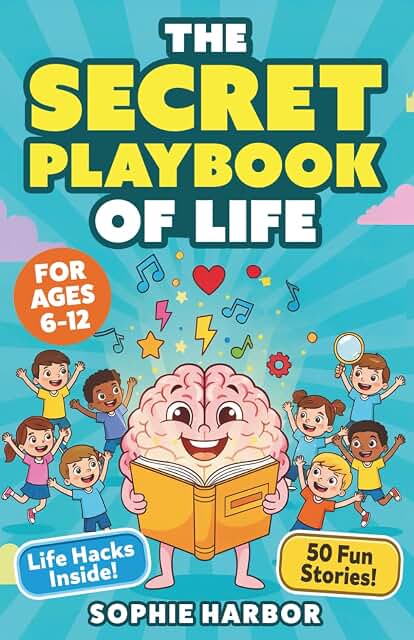
This collection offers 50 short stories aiming to build self-confidence, friendship, and emotional literacy for children aged 6-12. The bite-sized narratives encourage reflection, empathy, and resilience, making it a practical classroom or family read-aloud that complements social-emotional learning curricula and home discussions about friendships and teamwork.
How Do Dinosaurs Play with Their Friends?

Jane Yolen and Mark Teague bring whimsical dinosaur characters into relatable social situations, focusing on cooperation, sharing, and how to navigate misunderstandings. The playful rhymes and expressive illustrations engage reluctant readers while providing practical examples of positive friendship habits for elementary-aged children.
The Not-So-Friendly Friend
This guide for might-be-bullied or boundary-testing friendships helps children recognize healthy limits and practice asserting needs. The narrative emphasizes respectful communication, setting boundaries, and choosing supportive peers, making it a useful tool for kids learning to navigate complex social dynamics at school and in extracurricular activities.
Buying Guide: Key Purchase Considerations
Age range and reading level: Choose titles that align with the child’s developmental stage—picture books for ages 3-7 and early chapter or middle-grade options for 7-12. Consider language simplicity, rhyme, and the complexity of themes.
Friendship themes: Look for stories that model kindness, inclusion, sympathy, and cooperation. Some books focus on making friends, others on maintaining healthy boundaries or resolving conflicts.
Illustrations and tone: Bright, expressive artwork can engage younger readers, while a warm, gentle tone supports comprehension and retention of social-emotional lessons.
Practical takeaways: Books that include discussion prompts, activities, or questions help caregivers extend learning beyond reading time and reinforce social skills at home or in class.
Format and durability: For younger kids, sturdy board books or durable picture books are ideal. For older children, consider chapter formats or gift-quality editions.
Cultural and personal diversity: Seek selections that reflect diverse friendships and inclusive scenarios to broaden empathy and understanding across backgrounds.
Add a Comment