Discover top Arabic language learning books that cater to beginners and intermediate learners. This guide highlights five highly regarded titles, covering beginner courses, alphabet mastery, practical vocabulary, and comprehensive multi-volume sets. Each pick offers structured guidance, approachable lessons, and varied learning styles to help you read, write, speak, and understand Arabic more confidently.
| Product | Author / Brand | Format | Highlights |
|---|---|---|---|
| Complete Arabic Beginner to Intermediate Course | Frances Altorfer | Complete Language Learning Series | Reading, writing, speaking, comprehension |
| Learn Arabic for Adult Beginners: 7 Books in 1 | Explore ToWin | 7-in-1 Guide | Fast-start speaking, practical topics |
| The One and Only Arabic Workbook | Self-taught AR | Workbook with online course | Alphabet mastery, structured practice |
| Your First 840 Words in Arabic | Self-taught AR | Vocabulary-focused book | Key words for daily use |
| Arabic Course for English Speaking Students | V. Abdur Rahim | Madina Islamic University 3 Volumes | Structured progression for learners |
Below are detailed overviews of five carefully chosen titles designed to support different learning preferences, from grammar and script to everyday vocabulary and immersive practice. Each section explains who the book is best for, what it covers, and how it can fit into a balanced study plan.
Complete Arabic Beginner to Intermediate Course

This comprehensive course guides learners from beginner to intermediate levels, emphasizing reading, writing, speaking, and listening skills. It organizes content into progressive modules that build a solid grammatical foundation while introducing essential vocabulary and practical phrases. The Teach Yourself series is known for structured lessons, cultural context, and clear explanations, making it a reliable choice for self-study or classroom use. It suits learners seeking a well-rounded program with steady, measurable growth.
Key features to expect include gradual exposure to Arabic script, pronunciation guidance, and exercises designed to reinforce comprehension. The book’s layout supports daily study with manageable segments, practice activities, and review sections that help track progress. It’s suitable for learners who prefer a classroom-like progression in a self-study format and who value balancing reading and speaking confidence alongside grammar rules.
Learn Arabic for Adult Beginners: 7 Books in 1

This all-in-one guide packs seven books into a single program designed for adults new to Arabic. The focus is practical communication, with lessons aimed at getting learners speaking quickly while building a solid vocabulary base. The format often blends phrases, dialogues, listening drills, and exercises that reinforce everyday usage. It’s an efficient option for adults who want a fast-start approach to conversational Arabic without sacrificing foundational grammar.
Ideal for motivated learners who prefer a consolidated package with varied content types. The 7-in-1 approach can help maintain momentum by rotating between topics such as pronunciation, common expressions, and essential grammar. As with any self-guided course, consistent practice and supplemental listening (e.g., podcasts or language apps) can complement the material for better retention.
The One and Only Arabic Workbook

The One and Only Arabic Workbook focuses on mastering the Arabic alphabet and foundational writing skills, supplemented by an online course to accelerate learning. The workbook format typically blends guided practice with progressive exercises and handwriting drills that help learners internalize letter shapes, connectivity, and basic spelling. It’s well-suited for beginners who benefit from tactile practice and a clear, step-by-step path toward script fluency.
Strengths include a structured approach to script acquisition and integrated online resources for additional practice. Learners who enjoy a physical workbook with explicit exercises—paired with digital reinforcement—may find this title a strong companion to a broader language plan. For those aiming to achieve readable handwriting and accurate letter recognition early on, this title provides a practical route.
Your First 840 Words in Arabic

This vocabulary-focused title targets essential words and phrases that daily communication hinges on. By prioritizing the most commonly used vocabulary, it helps learners quickly understand and engage in practical conversations. The approach typically combines thematic word groups, example sentences, and quick drills tailored to real-life contexts such as greetings, numbers, food, travel, and common verbs.
Best for learners who want rapid vocabulary gains and confidence in everyday situations. It complements grammar-heavy resources by providing usable language chunks. For continued progress, pair this book with listening practice or flashcards to reinforce memory and retrieval under real-world conditions.
Arabic Course for English Speaking Students
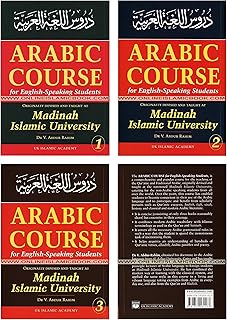
This three-volume course from Madina Islamic University is designed for English-speaking learners. It provides a structured curriculum that introduces Arabic grammar, vocabulary, and reading in a gradual sequence suitable for classroom or self-study settings. The set typically emphasizes clear explanations, repeated practice, and progression through increasingly complex material, all grounded in standard Arabic usages. It can be particularly beneficial for learners seeking a comprehensive, multi-volume path with consistent pacing across topics.
Who should consider this set? Students who prefer a traditional, textbook-style progression and those seeking a solid foundation in Modern Standard Arabic (MSA) with orderly chapters and exercises. As with any curriculum, supplementing with listening resources and conversational practice can enhance overall fluency and comprehension beyond the text.
Buying Guide: Key Purchase Considerations for Arabic Language Books
- Learning goals: Choose a book that aligns with your objectives—conversational fluency, reading fluency, or script mastery. If you want balanced skills, consider a course that integrates listening and speaking with reading and writing.
- Dialect and script: Decide whether you need Modern Standard Arabic (MSA) or a dialect-specific focus. If you plan to travel or work in a region, you might seek materials reflecting local speech alongside MSA basics.
- Structure and pacing: Some learners benefit from a clear, step-by-step curriculum; others prefer thematic, vocabulary-first approaches. Pick a format that matches your study style and available time.
- Practice variety: Look for books that combine dialogues, exercises, handwriting practice, and online resources. A mix of formats can reinforce retention and sustain motivation.
- Supplemental resources: Consider whether you’ll use audio components, online courses, or flashcards to reinforce listening and pronunciation. Audio is especially helpful for hearing authentic pronunciation and rhythm.
- Progress tracking: Books with built-in reviews or cumulative exercises help monitor progress over weeks or months, supporting accountable study habits.
- Author credibility: Titles from established language publishers or experienced educators often provide clearer explanations, consistent terminology, and well-designed exercises.
- Price and accessibility: Check return policies and availability across retailers. Some books include free online content, which can add value for ongoing practice.
- Adaptability: For learners with limited study time, compact guides or multi-in-one books offer efficient ways to maintain regular practice without overwhelming volume.
Across these selections, learners can mix resources to match personal goals, time commitments, and preferred learning styles. A practical plan often combines a structured core book with supplementary vocabulary, listening, and writing practice to build comprehensive Arabic proficiency.
Add a Comment