Explore five top space books that cover amazing facts, mysteries, and beginner-friendly discoveries. Ranging from kid-friendly introductions to comprehensive space encyclopedias, these selections help readers understand the cosmos, from Mars to distant galaxies. The table below highlights the chosen titles and their authors so you can compare at a glance.
| Product | Brand / Author |
|---|---|
| 1,000 Facts About Space | Dean Regas (Author) |
| The Mysteries of the Universe: Discover the best-kept secrets of space (DK Children’s Anthologies) | Will Gater (Author) |
| The Ultimate Space Facts for Kids, Teens, & Adults: Blast Off on a Journey Through the Cosmos and Discover Mind-Blowing Facts, Records, Mysteries, … of the Universe! (Eleven Worlds to Explore) | Ethereal Ray (Author) |
| National Geographic Little Kids First Big Book of Space | Catherine D. Hughes (Author), David A. Aguilar (Illustrator) |
| Knowledge Encyclopedia Space!: The Universe as You’ve Never Seen it Before | DK (Author) |
Below you will find five detailed product sections with direct links to Amazon, brief image previews, key features, and balanced considerations to help you choose what fits best for your reading goals, whether you want quick facts, a narrative journey, or a comprehensive visual encyclopedia.
1,000 Facts About Space

1,000 Facts About Space presents a concise, kid-friendly collection of space trivia designed to spark curiosity about planets, stars, and the wider universe. The book emphasizes short, digestible facts paired with engaging visuals that aid memory and comprehension. It is well-suited for younger readers or families seeking a quick, educational read that supports science curiosity without overwhelming detail. Readers will encounter a range of topics from planetary science to famous missions, presented in a straightforward format that can complement school curricula or personal interests.
Key considerations:
– Pros: Easy-to-digest facts, strong visual support, suitable for beginners.
– Cons: Limited deep-dive explanations; best as a supplement rather than a technical resource.
– Ideal for: Kids, beginners, and families seeking quick space insights.
The Mysteries of the Universe
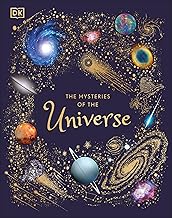
The Mysteries of the Universe explores space through a collection of best-kept secrets and intriguing phenomena. Focused on presenting questions that spark curiosity, this DK anthology emphasizes narrative curiosity alongside concise explanations. The book benefits readers who enjoy discovering the unknowns of space while maintaining accessibility. It combines engaging visuals with approachable text to help readers build a foundational understanding while inviting further exploration into astrophysical concepts and cosmic history.
Key considerations:
– Pros: Engaging mystery-driven approach, accessible language, strong visuals.
– Cons: May present questions without exhaustive answers; supplementary reading may be useful for deeper study.
– Ideal for: Curious learners who enjoy mysteries, kids and adults alike seeking a narrative science experience.
The Ultimate Space Facts for Kids, Teens, & Adults

This expansive collection is designed for readers across ages, offering mind-blowing facts, records, and mysteries about the cosmos. It is structured to appeal to a broad audience—from curious youngsters to adult space enthusiasts—providing approachable explanations alongside stunning visuals. The breadth of topics spans planets, stars, black holes, and cosmic phenomena, making it a versatile reference for classrooms, homeschooling, or personal study. The book’s layout supports skimming for quick facts or slower reading for contextual understanding.
Key considerations:
– Pros: Cross-age appeal, wide range of topics, rich illustrations.
– Cons: Depth varies by topic; some readers may seek more technical detail.
– Ideal for: Mixed-age readers, quick fact gathering, and visual learners.
National Geographic Little Kids First Big Book of Space

National Geographic’s Little Kids First Big Book of Space is an inviting, beginner-friendly exploration of space tailored for younger readers. The book combines simple language with bright illustrations to explain core concepts like the solar system, the Sun, and space travel. It is an excellent starting point for early readers or families looking to share a foundational space-learning experience. The narrative pacing and visual emphasis help reinforce basic astronomy ideas while fostering curiosity and questions about how the universe works.
Key considerations:
– Pros: Age-appropriate explanations, vivid images, approachable format.
– Cons: Limited depth suitable mainly for young children.
– Ideal for: Early readers, parents with toddlers, and classroom introductions to space.
Knowledge Encyclopedia Space!: The Universe as You’ve Never Seen it Before

DK’s Knowledge Encyclopedia Space! delivers a comprehensive visual journey through the universe, designed to be both informative and engaging. Rich with diagrams, photographs, and interactive elements, this title is well-suited for readers who want a deep, multi-faceted understanding of topics ranging from planetary science to cosmology. The encyclopedia format supports in-depth study and frequent reference, making it a strong choice for students, educators, and lifelong learners who appreciate detailed visuals and structured information.
Key considerations:
– Pros: Highly visual and data-rich, broad topic coverage, durable reference.
– Cons: Size and density may be intimidating for casual readers.
– Ideal for: Serious space enthusiasts, students, and educators seeking an authoritative reference.
Buying Guide: Key Purchase Considerations
- Audience and reading level: Choose titles aligned with the reader’s age and prior knowledge. Beginner-friendly books (like the National Geographic and 1,000 Facts titles) work well for younger readers, while Knowledge Encyclopedia Space! and The Ultimate Space Facts suit older readers seeking depth and breadth.
- Content balance: If you want quick facts and visual appeal, prioritize concise fact books. For deeper understanding, select encyclopedic or mystery-driven volumes that pose questions and provide broader context.
- Visual support: Books with rich imagery and diagrams enhance comprehension, especially for visual learners and younger readers.
- Learning goals: Define whether the aim is to spark curiosity, supplement school curricula, or compile a reference library for ongoing exploration.
- Durability and format: Hardcover editions and well-illustrated layouts tend to last longer in family or classroom use, whereas compact paperbacks can be ideal for travel or quick reads.
- Supplemental resources: Some titles offer companion online resources or teacher guides; consider these if you’re building a classroom or homeschool program.
- Publication scope: Encyclopedias provide extensive coverage, while single-topic fact books offer focused, digestible sections—choose based on how broad or how specific you want the material to be.
- Interest alignment: Match the book to the reader’s interests—mystery-driven narratives for curiosity about “secrets,” or fact-forward formats for a straightforward knowledge base.
These options collectively cover a spectrum of styles and depths, enabling readers to choose a space book that best fits their curiosity, reading pace, and educational goals.
Add a Comment